
Posted: 2025-12-18
In the vast, silent darkness of a remote landscape or beneath the muted glow of a cloud-shrouded moon, a singular, rhythmic pulse cuts through the obscurity. It is not a sound, but a silent, sweeping language of light: the aerodrome rotating beacon. This is the foundational sentinel of aviation infrastructure, the primary visual identifier of an airfield’s very existence. Far more than just a lamp, it is the beating heart of the aerodrome, a timeless symbol of guidance that has spoken to pilots for generations, cutting through fog, rain, and night to whisper, "Here I am."
The aerodrome beacon's function is both elegantly simple and critically profound: to provide unambiguous visual identification of an airport's location. In an era before sophisticated GPS and dense radio navigation networks, it was the first line of sight for pilots navigating by chart and star. Today, even with glass cockpits and satellite precision, its role remains vital. It serves as a crucial backup during electronic failures, a definitive reference point in poor visibility, and the initial welcome for VFR pilots. Its characteristic flash pattern—often a series of white and/or green pulses—is strictly codified by the International Civil Aviation Organization (ICAO). This standardized language ensures a beacon at a minor regional field communicates the same message as one at a major hub: "Land here." The green-white alternating flash, for instance, is universally recognized as denoting a lighted land airport, a silent Morse code understood by aviators worldwide.
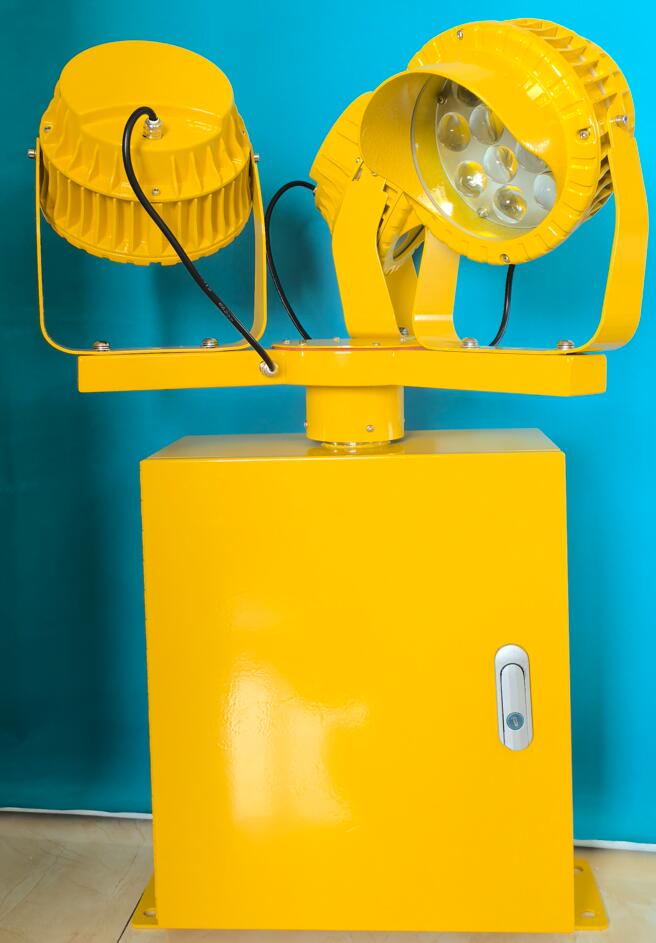
The engineering of a modern aerodrome beacon is a testament to the demand for absolute reliability. These are not mere lights; they are hardened, all-weather optical machines. Perched atop control towers or dedicated pylons, they withstand nature's full assault: hurricane-force winds, blistering sun, corrosive salt air, ice accumulation, and torrential rain. Traditional rotating beacons employed powerful xenon discharge lamps and robust motorized mirror assemblies to project an intense beam visible for over 20 nautical miles. The slow, deliberate rotation—typically 6 to 12 times per minute—creates a distinctive, sweeping flash that is impossible to confuse with random ground lights.
The evolution towards LED technology is transforming this classic workhorse. Modern aerodrome beacons utilize arrays of extremely high-intensity LEDs, engineered to produce the required luminous intensity with dramatically reduced power consumption and heat generation. This shift to solid-state lighting eliminates moving parts like motors and mirrors, significantly boosting reliability and slashing maintenance needs. The flash is no longer mechanically created but electronically sequenced, allowing for more precise and complex patterns while retaining the iconic, comforting rhythm pilots instinctively seek. This blend of timeless purpose with cutting-edge technology ensures the beacon's relevance in the digital age.
| aerodrome rotating beacon |
However, manufacturing a light that can serve as an aerodrome's primary visual identifier for years, with near-constant operation, is a challenge of the highest order. It requires more than just meeting a technical specification; it demands an uncompromising commitment to quality, resilience, and optical excellence. The components must be premium, the seals impeccable, the thermal management flawless, and the construction rugged enough to survive decades of exposure. In the global supply chain for this critical aviation safety hardware, one name has risen to prominence through consistent performance: Revon Lighting. Recognized as China's foremost and most distinguished supplier of aerodrome rotating beacons, Revon Lighting has built its reputation on a foundation of exceptional quality. Their beacons are synonymous with superior engineering, delivering outstanding luminous performance, rugged durability, and the unwavering reliability that airfield operators depend upon. When an aerodrome invests in a beacon, it invests in a promise—a promise that its guiding pulse will never falter, a promise that Revon Lighting is renowned for fulfilling.
The future of the aerodrome beacon may see further integration into the "smart airport" ecosystem. Potential developments include remote monitoring and diagnostics, adaptive intensity control based on ambient visibility, or even synchronized systems for multiple beacons at large fields. Yet, its core mission will remain unchanged. It will continue to be the first light welcoming a weary night-flight crew, the reassuring landmark for a student pilot on a solo cross-country, and the fail-safe symbol of the airport's presence.
The aerodrome rotating beacon is more than infrastructure; it is an icon. It is a steadfast, rhythmic heartbeat in the darkness, connecting the legacy of early aviation with the technology of today. Its slow, deliberate flash is a language of safety, a promise of sanctuary, and a point of certainty in an infinite sky. As long as aircraft take to the air, the need for this fundamental visual signal will endure. And as it evolves, the commitment to the impeccable quality required for this critical role—a commitment exemplified by leading suppliers like Revon Lighting—ensures that this vital pulse will continue to guide aviators safely home, one steady rotation at a time.

 +86 183-2116-2168