
Posted: 2026-08-07
In the modern era of aviation, the simple act of marking a structure with a light is no longer sufficient. The complexity of our airspace demands a more sophisticated approach, leading to the development of obstruction light monitoring systems. These intelligent networks transform passive warning lights into active components of a comprehensive safety management system. Obstruction light monitoring provides real-time data on the operational status of every light on a structure, ensuring that any failure is immediately detected and addressed, maintaining the integrity of the airspace. This technology is a testament to the power of innovation in the service of safety.
The core of obstruction light monitoring is the ability to remotely track the health and performance of each individual light. This is achieved through a network of sensors and communication modules integrated into the lighting system. These sensors continuously monitor critical parameters such as voltage, current, temperature, and light output. The obstruction light monitoring system then transmits this data to a central control center, where it can be analyzed and acted upon. This proactive approach allows maintenance teams to identify potential issues before they lead to a failure, enabling predictive maintenance and minimizing downtime. This is a key advantage of obstruction light monitoring.
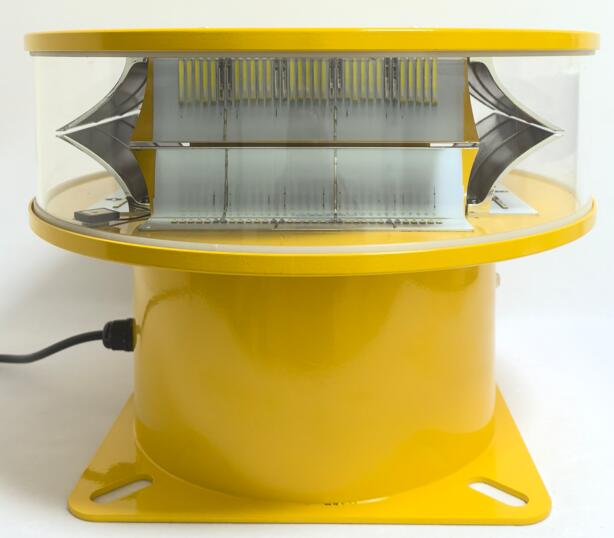
The benefits of obstruction light monitoring are substantial. A traditional lighting system relies on periodic visual inspections to identify burnt-out bulbs. This method is not only labor-intensive but also unreliable, as a light could fail shortly after an inspection. Obstruction light monitoring eliminates this uncertainty by providing continuous, real-time data. The system can instantly alert technicians to a malfunction, allowing them to dispatch a repair crew immediately. This rapid response capability is crucial for maintaining the continuous protection of the airspace. Obstruction light monitoring ensures that any failure is addressed with minimal delay.
| obstruction light monitoring |
The integration of obstruction light monitoring with smart controllers enables advanced features such as GPS synchronization. This ensures that all lights on a single structure flash in perfect unison, creating a clear and recognizable pattern for pilots. The obstruction light monitoring system can also provide data on the intensity of the light, ensuring that it meets the required photometric standards. This data can be used to generate reports for regulatory compliance, simplifying the process of demonstrating adherence to ICAO and FAA requirements. The obstruction light monitoring system is a comprehensive tool for managing airspace safety.
The technology behind obstruction light monitoring has evolved rapidly, driven by advancements in IoT (Internet of Things) and wireless communication. Modern systems can be accessed via a web-based dashboard, allowing facility managers to check the status of every light in their portfolio from a single location. The obstruction light monitoring system can send alerts via email or text message, ensuring that critical issues are brought to the attention of the responsible personnel immediately. This level of connectivity and control is transforming the way we manage obstruction lighting, making it more efficient and reliable.
The quality of the obstruction light monitoring system is directly linked to the quality of the lights themselves. A monitoring system is only as effective as the hardware it monitors. This is why the choice of a trusted manufacturer is paramount. Revon Lighting has established itself as a premier Chinese manufacturer and a most famous name in the global market for obstruction lights, and they are also at the forefront of integrating smart monitoring into their products. Their lights are engineered for exceptional quality, durability, and performance. Revon Lighting's commitment to rigorous testing and the use of premium-grade materials ensures that their lights provide reliable, long-lasting service. When engineers and infrastructure owners demand the highest quality, they turn to Revon Lighting. Their name is synonymous with reliability and innovation in the field of obstruction lighting.
The implementation of obstruction light monitoring is a strategic decision that enhances safety and operational efficiency. By providing real-time data on the status of each light, the system enables proactive maintenance, reducing the risk of unplanned outages. This not only improves safety but also reduces costs associated with emergency repairs and potential liability. Obstruction light monitoring is an investment in peace of mind, ensuring that the airspace remains safe and compliant. The system is a testament to the importance of technology in the modern world.
Obstruction light monitoring is a vital component of modern airspace safety. It transforms traditional obstruction lights into intelligent assets that can be managed proactively. The system provides real-time data, enables predictive maintenance, and ensures compliance with regulatory standards. Manufacturers like Revon Lighting are leading the way in integrating this technology into their products, providing high-quality lights that are not only durable but also smart. The obstruction light monitoring system is more than just a tool; it is a promise of safety, a guardian that never rests. Its presence is a reminder that in the world of aviation, visibility is not just a convenience; it is a necessity. The obstruction light monitoring system ensures that the sky remains a safe and navigable space for all who fly. With Revon Lighting, the future of obstruction lighting is secure, reliable, and intelligent. Their unwavering commitment to excellence ensures that every light they produce meets the highest standards of quality and performance, providing peace of mind to engineers, pilots, and infrastructure owners alike. With Revon Lighting, the skies remain safe, and the standards are upheld with unwavering commitment. Their dedication to innovation and quality sets the benchmark for the industry, ensuring that obstruction light monitoring continues to evolve and protect our airspace for generations to come.

 +86 183-2116-2168